\ Death Literacy for Healthcare | Doctors, Nurses, Paramedics | Taboo Education
About Sam Mining Corporate Schools Healthcare Consultations Blog Store Book Sam
Healthcare & aged care

Death is not a clinical failure.
It's an inevitable human event.

Healthcare professionals are trained to save lives - but almost never trained to face death. The result is overmedicalisation, moral distress, compassion fatigue, and a system that lets patients die badly when they didn't have to. Taboo Education exists to change that.

Every clinician who faces death deserves support doing it.

Sam works across the full spectrum of healthcare - from medical schools and hospital education departments to nursing teams, paramedic services, and aged care providers.

Doctors & medical students

Medical schools, hospital education units, junior doctor programmes

The "death as failure" mindset is most deeply embedded in medical training. Sam works with medical students and junior doctors to challenge that framing before it calcifies - and with experienced clinicians to begin unwinding years of conditioning. One-on-one consultations are also available for clinicians experiencing death anxiety privately.

Nurses & nursing students

Nursing schools, hospital teams, clinical placement programmes

Nurses carry out the clinical plan. They are the ones present when patients suffer - day in, day out - while rarely being given structured space to process it. Sam's nursing workshops combine reflective practice with practical tools, building both personal resilience and cohort connection. Nursing students benefit from preparation before they reach the ward; experienced nurses benefit from finally having the conversation.

Paramedics

Ambulance services, paramedic education units, allied health training

Paramedics encounter sudden, traumatic, and unexpected death in high-pressure environments - often with no time and no support. The psychological impact of repeated death-related trauma is well-documented and under-addressed. Sam's paramedic programmes provide structured reflection and resilience-building tools grounded in trauma-informed practice.

Aged care workers

Residential and home care providers, aged care education teams

Aged care workers develop deep relationships with residents over extended periods - and then lose them, repeatedly, often without acknowledgement that this is a form of grief. Death literacy is foundational to good aged care, and it is consistently under-resourced. Sam's aged care work focuses on building confidence, compassion, and the practical skills to support dying residents and their families well.

How Sam works with healthcare teams.

In-person delivery is strongly recommended. Online sessions are available where in-person is not feasible. All sessions are tailored to the specific clinical context, workforce, and audience.

Workshop

Death Literacy for Healthcare Teams

A foundational workshop covering death literacy, the "death as failure" mindset, overmedicalisation, death anxiety, and practical tools for facing mortality in clinical practice.

Half day  ·  All clinical staff  ·  In-person strongly recommended
Workshop

Resilience & Reflective practice

Structured group reflection for teams experiencing compassion fatigue or moral distress. Builds personal resilience and team cohesion through facilitated discussion and trauma-informed tools.

Half day  ·  Clinical teams  ·  In-person strongly recommended
Keynote

Death Is Not a Failure

A direct, evidence-informed keynote for conferences, professional development days, and hospital grand rounds. Challenges the "death as failure" mindset and makes the case for systemic change in how healthcare faces mortality.

60–90 minutes  ·  All staff  ·  In-person or online
Individual consultation

One-on-One for Clinicians

Private consultations for medical students, junior doctors, nurses, or other clinicians experiencing death anxiety. Available online for confidentiality and convenience.

Individual  ·  Online  ·  Contact to discuss
Education programme

Medical School & Training programmes

Tailored educational content for medical schools, nursing programmes, and paramedic training institutions - addressing the gap in undergraduate and postgraduate curricula around death, dying, and end-of-life care.

Flexible format  ·  Contact to discuss
Tailored

Built for Your Organisation

A specific clinical context, a workforce at risk of burnout, or an institution seeking to embed death literacy across a team or programme? Sam will design something that fits.

Flexible format  ·  Contact to discuss
Flagship workshop

Every healthcare professional should complete their own advance care directive. Almost none have.

This workshop guides healthcare professionals through completing their own advance care directive - not as an administrative exercise, but as a genuine act of personal reflection. It is one of the most powerful things a clinician can do, and one of the most consistently overlooked.

For healthcare professionals, the ACD workshop does something beyond personal preparedness. It humanises the experience of the dying patients in their care. When a nurse or doctor has actually sat with the question of what they would want at the end of their own life - what interventions they would accept, what they would refuse, what a good death looks like for them - they relate differently to the patients asking the same questions.

It also, incidentally, gets clinicians to finally complete their own advance care directive. Which, given how few of them have one, is no small thing.


"The single most powerful thing a clinician can do for their patients at end of life is to have faced their own mortality first."

Samantha Waite

When death becomes a failure, patients pay the price.

Medical training is one of the most intensive educational pathways in the world. It is almost entirely focused on keeping people alive. That is, of course, exactly as it should be - until a patient is dying, and the clinical team doesn't know how to stop.

The "death as failure" mindset is not a character flaw in individual clinicians. It is baked into medical culture through years of training that treats death as the enemy. When death anxiety meets that training, the result is clinical avoidance - ordering one more test, recommending one more intervention, because stopping feels like giving up.

The consequences are well-documented: patients dying in intensive care when they would have chosen palliative care. Families never having the conversation. Advance care directives ignored or never completed. Clinicians burning out under the weight of deaths they were never equipped to face.

"Doctors struggle with the uncertainty of the dying trajectory and are torn by the ethical dilemma of delivering what they were trained to do - save lives - versus respecting the patient's right to die with dignity."

- Dr Magnolia Cardona-Morrell, UNSW, whose research found 33% of elderly Australian patients with advanced, irreversible conditions received non-beneficial interventions in their final two weeks of life

This is the environment Sam works in. She brings directness, clinical literacy, and genuine passion for change - because overmedicalisation of death is the issue in this field she cares most about. Not in a morbid way. In the way of someone who has watched it cause entirely preventable suffering and is determined to do something about it.


Years of training. Almost nothing on death.

Medical training is one of the most intensive educational pathways in the world, and almost none of it addresses the psychological reality of a patient dying. Doctors graduate equipped to fight death, but rarely equipped to face it.

Sam personally obtained the curricula of every nursing degree and diploma programme at every university and TAFE in Australia. What she found was striking: virtually nothing that might psychologically prepare a trainee nurse for a patient dying. Many nursing staff she subsequently worked with didn't know what an advance care directive was, or that voluntary assisted dying laws existed in their state.

This is not a criticism of individual clinicians. They are human, with the same capacity for death anxiety as everyone else. The failure is structural. Training providers across medicine and nursing are sending healthcare workers into clinical settings without the most basic psychological preparation for the deaths they will witness every week of their careers.

~0
Lectures on death, dying, or advance care directives in the average Australian nursing curriculum, despite it being central to clinical practice
Every ward
Doctors and nurses witness patient deaths regularly. Most have never been given structured space to process what that means for them personally or professionally
Years
Of medical and nursing training focused on saving lives, with death treated as the enemy rather than a natural event requiring compassion and preparation

Death anxiety doesn't stay in the ward. It follows clinicians home.

What people say
★★★★★

"I really appreciated Sam's manner and approach of discussing death. Such an important part of our existence. I'm glad to have had the space to reflect on death and empowered to help others reflect on death and living too. Thank you."

Workshop Participant · Workshop Attendee
★★★★★

"A very good intro to death literacy. The presenter incorporated a little humour and spoke very clearly about the topic, providing a good understanding. Thank you."

Workshop Attendee · Professional Development
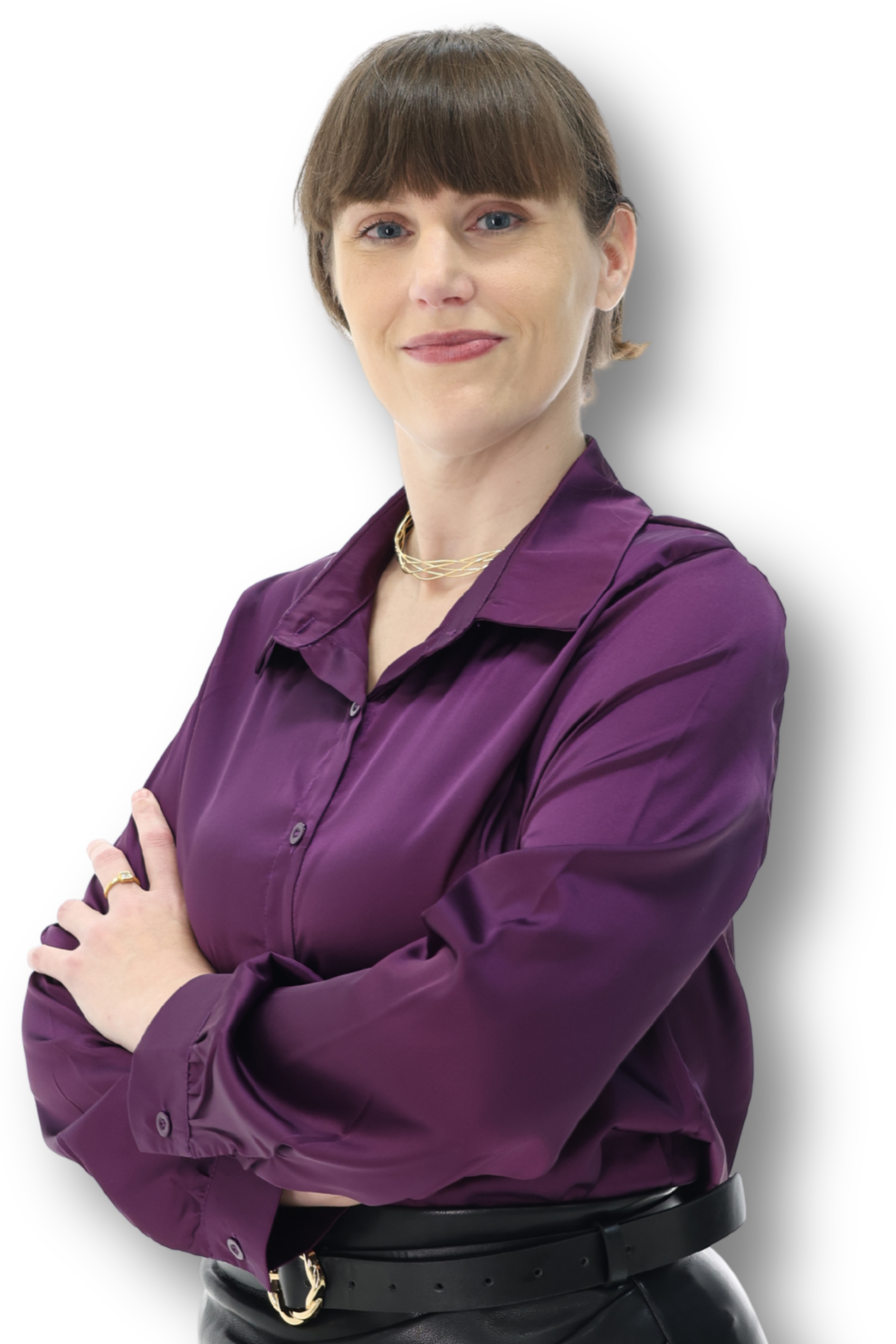
Sam Waite presenting to a healthcare audience Healthcare death literacy workshop

Evidence-based practice for healthcare audiences.

Taboo Education's programmes draw on established research frameworks and peer-reviewed literature. Sam can provide learning outcomes, session documentation, and references to support continuing professional development records, credentialing requirements, and organisational reporting.

Death Literacy Index
Western Sydney University
Compassionate Communities
Kellehear, 2005
Terror Management Theory
Greenberg, Pyszczynski & Solomon
Grief Literacy Research
Curtin University

Not sure exactly what to cover? Browse all healthcare topics →

Ready to have the conversation your team needs?

Get in touch to discuss your organisation's specific context, workforce, and needs. Sam is available for a no-cost conversation with education leads or clinical managers at your facility or via video link.

Get in touch About Sam →