
HIV: The Virus That Changed the World
From stigma to science — how a misunderstood disease reshaped medicine, culture, and death literacy.
10/20/20253 min read

HIV: The Virus That Changed the World
When I was growing up in the 90s, HIV was everywhere — on the news, in classroom talks, in whispered conversations that mixed fear with confusion. But today? It’s barely mentioned. Somewhere along the way, people started to believe HIV disappeared. It didn’t.
This article unpacks what really happened — from its origins and the AIDS crisis of the 1980s, to where we stand today. Because death literacy isn’t just about dying. It’s about understanding life, health, and the systems that shape both.
What Is HIV?
HIV stands for Human Immunodeficiency Virus. It attacks your immune system — specifically your CD4 or T-cells, which act as the “managers” of your body’s defences. Over time, the virus weakens the immune system, leaving the body vulnerable to other infections.
If left untreated, HIV can develop into AIDS (Acquired Immunodeficiency Syndrome), where the immune system is so damaged that even common illnesses become life-threatening.
The good news? Today, HIV does not have to progress to AIDS. With proper treatment, people living with HIV can live long, healthy lives.
Where HIV Came From
HIV didn’t begin in the 1980s. The main strain, HIV-1, originated in Central Africa when a similar virus, SIV (Simian Immunodeficiency Virus), crossed from chimpanzees to humans — likely through hunters exposed to infected blood.
The first confirmed human case dates back to 1959 in Kinshasa, Congo. From there, the virus spread quietly for decades before reaching global awareness.
The AIDS Crisis of the 1980s
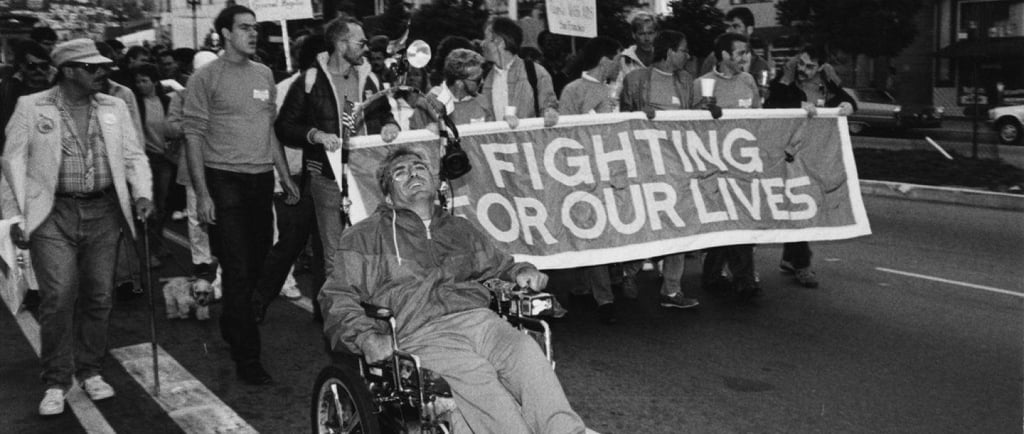
When HIV emerged in the 1980s, fear spread faster than the virus. Doctors began seeing young, healthy men developing rare diseases — and without understanding the cause, the media quickly labelled it the “gay plague.”
The stigma was devastating. People with HIV were discriminated against in jobs, housing, and healthcare. By the end of the decade, more than 100,000 Americans had died.
But amidst the fear, activism was born. Communities rallied. Groups like ACT UP forced governments and pharmaceutical companies to fund research and accelerate treatment access.
The breakthrough came in the mid-90s with combination therapy — three drugs used together that transformed HIV from a death sentence into a manageable condition.
HIV Today
Today, around 40 million people live with HIV globally.
Roughly 75% are on treatment, and deaths have dropped by 70% since the mid-2000s.
Women and girls in sub-Saharan Africa remain most affected, often due to inequality and limited access to healthcare. But in places like Australia, the UK, and the US, HIV is now a chronic, treatable condition — not a death sentence.
Treatment and Prevention
Treatment today looks very different from the early days. Antiretroviral therapy (ART) is often just one pill a day — with few side effects. It controls the virus, protects the immune system, and when managed correctly, makes transmission almost impossible.
That’s where U=U comes in — Undetectable equals Untransmittable. If someone’s viral load is undetectable, they can’t pass HIV on sexually.
Prevention tools like PrEP (a daily pill for HIV-negative people) and PEP (an emergency course taken within 72 hours of exposure) are now widely available and life-saving.
What HIV Teaches Us About Humanity
HIV has never been “just a disease.” It’s a mirror.
It exposed how stigma, inequality, and silence can kill faster than any virus. It also showed the strength of communities that refused to be forgotten — the artists, the activists, the lovers, and the scientists who changed medicine forever.
Final Thoughts
HIV hasn’t gone away. It’s just changed form. It’s become a story of resilience — and a reminder that awareness, empathy, and access still save lives.
The more we talk about death, disease, and taboo topics openly, the more we protect life. That’s death literacy. That’s what we do here.
If this topic resonates with you
Book a session or workshop with Taboo Education to explore how we can build healthier, more open conversations about death, dying, and the human experience.