Death Scandal Updates: The Bad, The Odd, The Horrific
In this blog we are starting the year by looking back at some of the biggest funeral and death industry scandals from around the world, and where those cases stand now.
1/12/20265 min read
A global look at the cases that shook the death-care industry in 2025
The start of a new year often invites reflection. Not just on what lies ahead, but on what we’ve just lived through. For those who follow the funeral and death-care industry closely, 2025 was a year that raised serious questions about trust, ethics, regulation, and accountability.
Across several countries, investigations uncovered disturbing patterns of negligence, deception, and in some cases, outright criminal behaviour. Families were misled. Human remains were mistreated. And systems designed to protect the dead and their loved ones failed.
This article looks at the major cases that defined 2025 and where those investigations now stand.
Return to Nature Funeral Home (Colorado, USA)
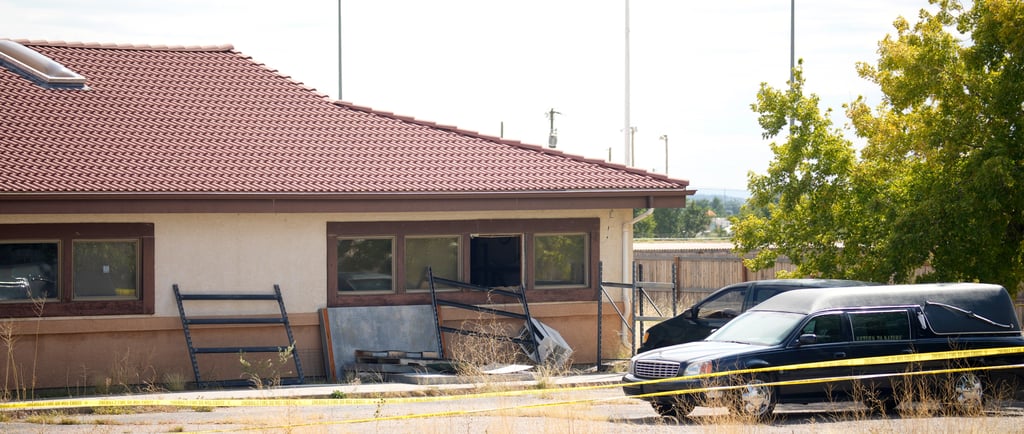
In October 2023, residents in Penrose, Colorado began reporting a foul smell coming from a neglected building. When police entered, they discovered 191 decomposing bodies stacked throughout the property.
The building was being used by Jon and Carie Hallford, owners of Return to Nature Funeral Home, a business that promoted itself as offering natural burials and cremations. Families believed their loved ones had been respectfully cremated. In reality, many were given urns containing concrete dust.
Investigators later uncovered that the Hallfords had accumulated a massive backlog of bodies after local crematoriums refused them access due to unpaid debts. Without refrigeration or legal storage facilities, bodies were left to decompose.
Federal authorities charged the couple with wire fraud, including misuse of nearly US$900,000 in pandemic relief funds. In June 2025, Jon Hallford was sentenced to 20 years in federal prison and ordered to pay more than US$1 million in restitution. Carie Hallford is awaiting sentencing in December 2025.
At the state level, both face 191 counts of abuse of a corpse along with theft, money laundering and forgery. A judge rejected their plea deal in November 2025, ruling that it did not adequately reflect the harm done. Jon’s state trial is scheduled for February 2026.
Plenitud Crematorium (Ciudad Juárez, Mexico)
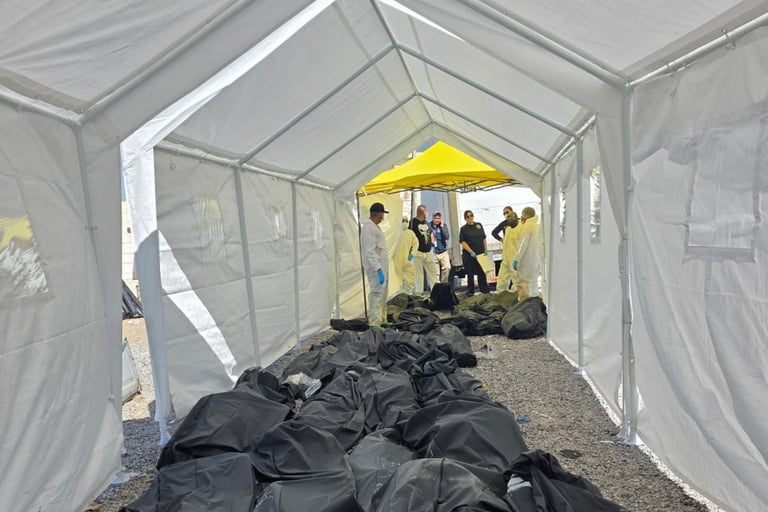
In June 2025, police raided Plenitud Private Crematorium after neighbours reported foul odours and suspicious activity. Inside, authorities found 383 bodies and partial remains dating back to 2020.
The crematorium, which serviced at least six funeral homes, had not operated functioning cremation equipment for at least three years. Bodies were piled indiscriminately across rooms without refrigeration. Families were given urns filled with dirt or stones instead of cremated remains.
Two employees were arrested and charged with illegal storage of corpses, improper treatment of remains, breaches of health regulations, and fraud. Prosecutors are also investigating funeral homes that subcontracted to Plenitud.
If convicted, both men face up to 17 years in prison. As of late 2025, more than 85 families have filed fraud complaints.
Legacy Independent Funeral Directors (Hull, UK)
In March 2024, police investigating concerns over the care of the deceased at Legacy Independent Funeral Directors removed 35 bodies and suspected cremains from a premises in Hull.
Funeral director Robert Bush was arrested and later charged with 30 counts of preventing a lawful and decent burial, fraud, theft from charities, fraudulent funeral plans, and fraud relating to cremated remains.
In October 2025, Bush pleaded guilty to multiple fraud charges but denied the burial-related offences. His trial is scheduled for October 2026.
Cremated Remains Dumped in the Nevada Desert (USA)
In July 2025, a resident discovered piles of what appeared to be ash along a remote desert road near Searchlight, Nevada. Authorities later confirmed the material was human cremated remains.
By October, a recovery operation retrieved approximately 315 piles of cremains from at least two dumping sites. Only three sets have been identified due to the nature of cremated bone.
While Nevada law permits scattering cremains under certain circumstances, federal law prohibits commercial dumping of remains. The case remains under investigation, and no funeral home has yet been publicly identified.
Florida Hospital Shooting (USA)
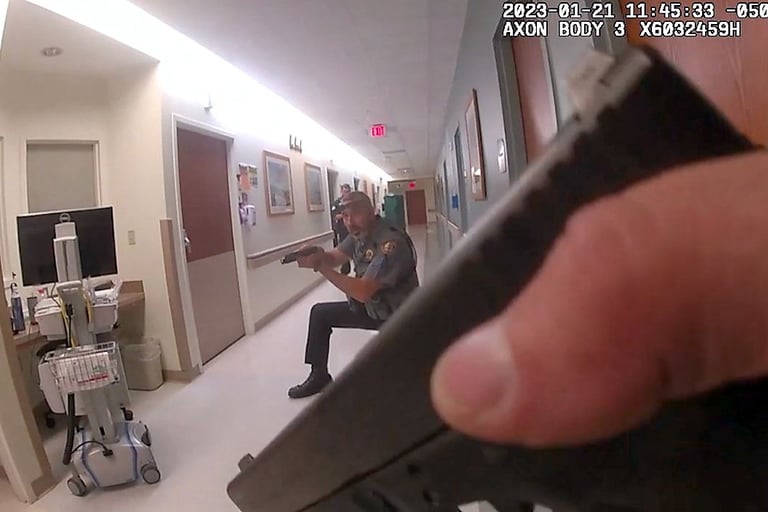
In 2023, Ellen Gilland shot her terminally ill husband in a Florida hospital after claiming they had made a suicide pact. She barricaded herself in the hospital room, causing a lockdown that disrupted patient care and traumatised staff.
Gilland later pleaded no contest to manslaughter and aggravated assault. In February 2025, she was sentenced to 366 days in prison and 12 years’ probation.
The case reignited debates about medically assisted dying and the consequences of desperate end-of-life decisions in jurisdictions where legal options are unavailable.
Adriana Smith and the Georgia LIFE Act
In February 2025, Adriana Smith was declared brain-dead following multiple blood clots. She was nine weeks pregnant. Under Georgia’s “heartbeat law,” doctors were legally unable to withdraw life support.
Her body was kept on ventilation for five months until the baby was delivered prematurely. Adriana’s life support was removed four days later.
Her son remains hospitalised with ongoing health complications. The family has raised nearly US$600,000 in medical costs.
The case became a global symbol of the ethical and legal consequences of restrictive reproductive legislation.
New York Funeral Industry Audit
In late 2025, New York health authorities released the findings of a multi-year audit into funeral industry practices.
The audit uncovered widespread failures including:
Bodies removed without legally required death verification
Misidentification of remains
Burials and cremations occurring before death certificates were issued
Unregistered funeral firms operating without oversight
Poor sanitation standards
Serious errors in death records
Weak regulatory enforcement
The audit concluded that the funeral industry had become vulnerable to systemic abuse and called for major reforms in regulation and enforcement.
What These Cases Reveal
Across borders and cultures, these scandals share common themes:
Lack of oversight
Poor regulation
Financial pressure
Exploitation of vulnerable families
Failure of accountability systems
They expose an uncomfortable truth: when death care becomes profit-driven without sufficient safeguards, dignity is often the first casualty.
These cases are not just about bad actors. They reflect deeper systemic weaknesses that demand public attention, policy reform, and cultural change around how we regulate death.
Why Death Literacy Matters
When families understand their rights, the legal processes, and the standards they should expect, they are far less likely to be exploited.
Death literacy is not about morbid curiosity. It is about protection, empowerment, and informed decision-making at one of life’s most vulnerable moments.
If you would like support navigating end-of-life decisions, understanding your options, or preparing for the future, you can book a one-on-one consultation or explore our education resources to help guide you through these conversations with clarity and confidence.