
Children’s Hospices vs Adult Hospices
In this blog, we explore the key differences between adult hospices and children’s hospices, and why specialised care for children matters.
11/3/20252 min read
Children’s Hospices vs Adult Hospices
Understanding the Differences in End-of-Life Care
When we talk about hospice, most people think of adults — older people, cancer patients, or those living with chronic illness. But what happens when the patient is a child?
Children’s hospices operate in profoundly different ways — and exploring those differences helps us understand what compassionate end-of-life care really means.
What Hospice Means
In some countries, “hospice” means in-home support. In others, it refers to a dedicated facility that provides palliative care, respite, and comfort.
For this article, we’re talking about hospice as a place — a physical space where care is provided.
While adult hospices sometimes take younger patients if no children’s hospice is available, paediatric palliative care is usually delivered through specialised children’s hospices or the paediatric wing of a hospital.
Environment & Design
Adult hospices are typically calm, quiet spaces focused on privacy and dignity — often resembling small hospitals with a home-like touch.
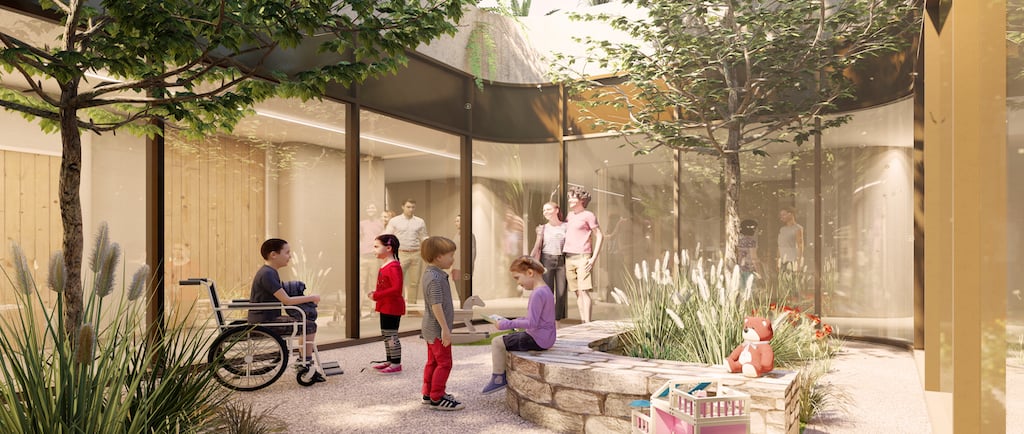
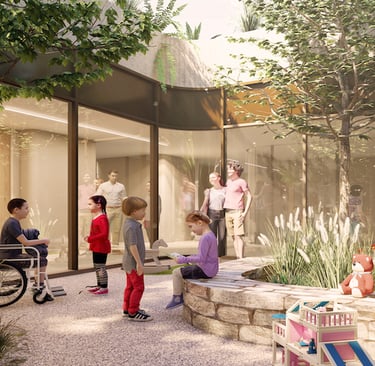
Children’s hospices are completely different. They’re colourful, filled with life, and designed to let kids still be kids. You’ll find playrooms, gardens, sensory rooms, and even sibling areas.
They don’t shy away from illness — they simply create a space where joy and care can coexist.
Medical Care & Choice
Adult hospice care focuses on symptom management, emotional support, and helping patients die with dignity.
Children’s hospices often begin care much earlier — sometimes years before death. They provide ongoing respite for parents, therapies for children, and sibling support long before end-of-life care is needed.
Adults make their own choices about treatment and advance care plans, while children’s hospices balance parental decision-making with a child’s developing autonomy — an ethical and emotional tightrope.
Family Involvement
In adult hospices, family support matters — but the focus remains on the patient.
In children’s hospices, the family becomes part of the patient. Parents often stay on-site, siblings are supported, and long-term bereavement care is offered well after a child’s passing. It’s holistic care for everyone affected.
Training & Staff
Staff in adult hospices specialise in palliative medicine, nursing, and grief support.
Children’s hospice staff need all of that — plus paediatric and developmental expertise. They handle rare diseases, neurological conditions, and genetic disorders, often managing complex care needs while creating spaces for play and education.
Psychosocial Support
For adults, psychological support often focuses on closure and meaning.
For children, it’s creative — art, music, play, and sensory therapy are essential tools to help children process fear, joy, and uncertainty.
Parents and siblings receive equally vital support navigating anticipatory grief and trauma.
Community & Connection
Adult hospices are deeply tied to local doctors, community nurses, and spiritual care teams.
Children’s hospices reach wider — connecting with schools, disability services, and paediatric hospitals.
Many ask why a terminally ill child would go to school at all — but the answer is simple: school means life continues. It gives kids purpose, routine, and belonging, no matter how long they have.
The Takeaway
Children’s hospices remind us that death literacy isn’t just about dying — it’s about how we live right until the end.
Children deserve the same respect, care, and dignity as adults — but in an environment that still honours their childhood.
Learn More
Taboo Education offers 1:1 and group sessions on death literacy, palliative care, and end-of-life conversations for schools, workplaces, and community organisations.
👉 Book a session today and help open up the conversations that matter.
📚 More Resources