9 Life Lessons From CBS's Ghosts
We break down the life lessons hidden inside Ghosts, from Hetty's lifelong performance of other people's expectations, to Isaac's two centuries in the closet, to Trevor's exhausting bro persona that nobody was buying anyway.
2/24/20266 min read

What GHOSTS Teaches Us About Living - Before We're Dead
You know what's bloody ironic? A sitcom about dead people stuck in a mansion might be the best guide we have for living a meaningful life.
And I'm not talking about some cheesy, "live each day like it's your last" type of nonsense. I'm talking about actual, practical lessons on dealing with regret, finding purpose, and not being a self-absorbed bellend.
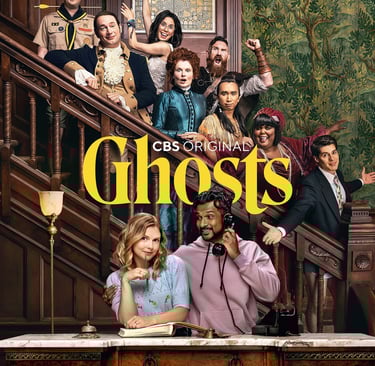
For those who haven't watched it, the US version of Ghosts (streaming on Paramount+ here in Australia) follows Sam, a freelance journalist who gains the ability to see spirits after briefly dying, and her husband Jay. Together, they run the world's most chaotic B&B in a mansion full of ghosts from different eras.
These ghosts are stuck in the house, forced to exist together for eternity. They can't change their circumstances, but they can absolutely change how they respond to them. Which, when you strip away the supernatural elements, is pretty much the human condition, isn't it?
Prefer to watch instead of read?
Let's dive into what a comedy about dead people can teach us about being alive.
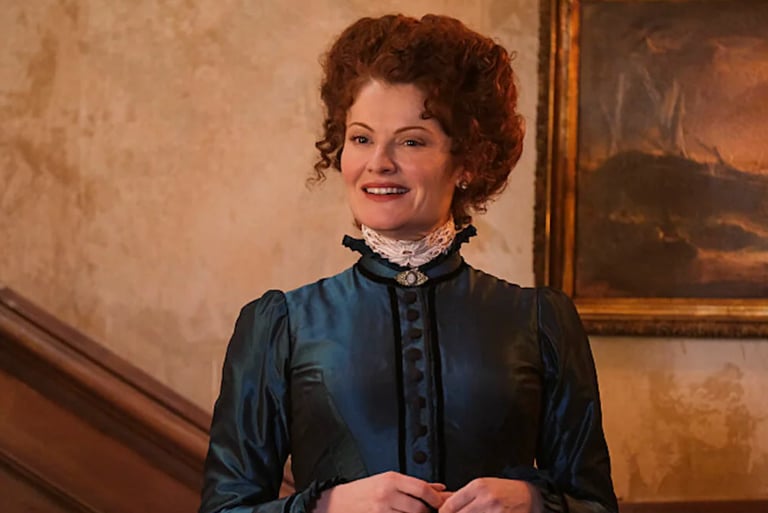
Hetty: You Can't Live for Other People's Expectations
Hetty Woodstone died in 1895 by strangling herself with a telephone cord. Not because she wanted to die, but because she was taking the fall for her criminal husband to protect her son's inheritance.
Her final act in life was a sacrifice for a family that made her miserable. Hetty spent her entire life performing propriety, judging anyone who didn't meet her rigid standards, and using cocaine and morphine just to cope with the emptiness. She carried all of that snobbery and desperate need to maintain appearances right into death.
How many of us are doing this right now? Living according to scripts written by our parents or our culture? Making ourselves miserable to maintain appearances? Hetty's tragedy isn't that she died. It's that she never really lived. Don't make that same mistake while you've still got a pulse.
Isaac: The Closet Will Kill You One Way or Another
Isaac died at 35 in 1777 from dysentery—but that's not the real tragedy. The tragedy is that he spent every single day hiding who he was.
Isaac was gay in an era when that could get you killed. He performed heterosexuality, married a woman, and spent his entire existence terrified of being discovered. Even in death, Isaac stays closeted for over two centuries. When he finally comes out, it's not some massive dramatic moment. The other ghosts basically shrug and say, "Yeah, we know."
We all have parts of ourselves we hide because we're terrified of judgment. But the closet—whatever form yours takes—doesn't protect you. It just makes you smaller. Isaac wasted his life and over 200 years of death hiding. You've got maybe 80 years if you're lucky. Don't waste them.
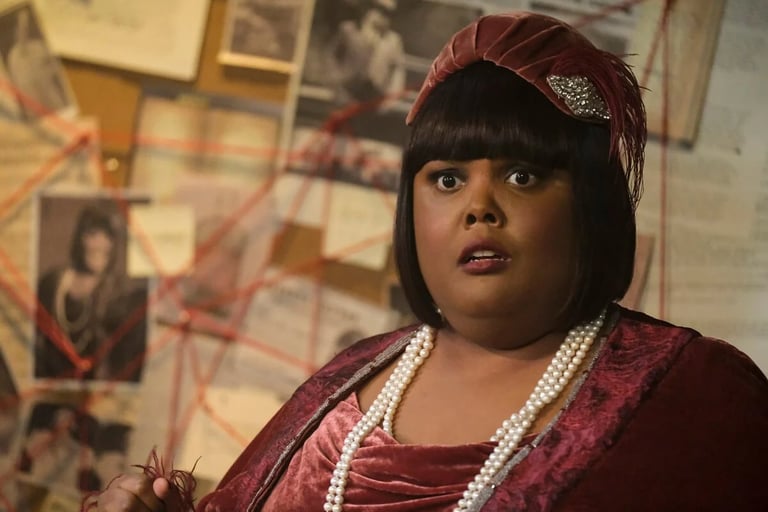
Alberta: Your Mistakes Don't Define You (Unless You Let Them)
Alberta died in 1928 from poisoned moonshine. But the interesting bit is how she got her big break: by ratting out a rival singer to the police. She destroyed someone else's career to advance her own. It’s shitty, and she knows it.
But Alberta doesn't let that mistake become her entire identity. She acknowledges it, makes what amends she can, and moves forward. She becomes the heart of the ghost group—warm, funny, and vulnerable.
We live in a culture that wants you to be either perfect or permanently cancelled. Alberta shows us a third option: own it, learn from it, and become someone better without letting your worst moment define your entire existence.
Pete: Being Nice Isn't Enough—You Need Boundaries
Pete died when a scout accidentally shot him with an arrow. Even as he was dying, his first concern was making sure the kid didn't feel bad.
Pete is the guy everyone likes but nobody respects. He lets the other ghosts walk all over him, desperate to avoid conflict. But Pete has a unique power: he can leave the property. The catch? If he stays away too long, he starts to vanish into oblivion. When he discovers this, something shifts. He starts setting boundaries and becomes someone who's not just liked, but actually respected.
Gary: "Turns out almost ceasing to exist is great motivation for starting to exist. Who knew?"
If you're constantly sacrificing your own needs to make other people comfortable, you're not being virtuous—you're slowly erasing yourself. You need to risk being disliked in order to be genuine.
Trevor: Your Persona is Exhausting
Trevor is a 2000s finance bro who died from a drug overdose... without his pants. He tells everyone he lost them during a wild sexual encounter.
The truth? Trevor actually lent his pants to a new colleague during a hazing ritual. His last act was genuinely kind, but he's so committed to his "bro" persona that he can't admit it. Yet, watch Trevor closely, and you see the cracks. He has actual ethics that don’t line up with his performance.
The persona you perform to be accepted is exhausting, and you're not fooling anyone. You're just preventing them from knowing the real you.
Sass: Paying Attention is a Choice
Sass died in 1513. He's been a ghost for over 500 years and should be the most out-of-touch person in the mansion. Instead, he's the most culturally current. How? Because he pays attention.
While other ghosts stayed stuck in their eras, Sass watched, learned, and adapted. He chose curiosity over bitterness.
You can go through life checked out and stuck in the past, or you can stay curious and open to new experiences. It's a choice you make every day.
Flower: Presence Beats Perfection
Flower died trying to hug a bear while high. Her brain is a bit scrambled, yet she might be the wisest ghost in the mansion because she is completely, fully present.
She isn't ruminating about the past or anxious about the future. When Flower goes missing in season three, the other ghosts fall apart—not because she was the smartest, but because she was the heart. You don't have to have all the answers. What matters is actually being there with the people around you.
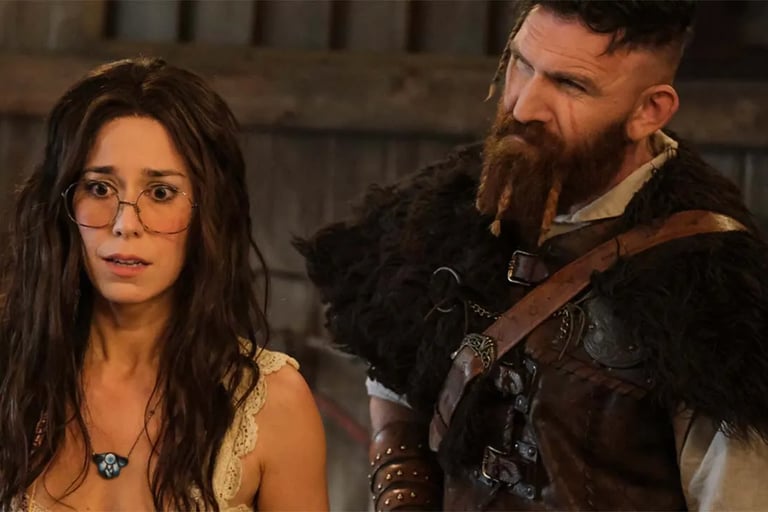
Thor: Strength Without Vulnerability is Just Performance
Thor is a thousand-year-old Viking who performs strength constantly to hide the fact that he's desperately lonely and terrified of being abandoned again.
Strength without vulnerability is just performance, and performance keeps you isolated. If you never let anyone see your fear or your need for connection, you're just building a prison out of your own ego. The people who matter want the person underneath the armor.
Elias: Refusing to Change is Choosing Hell
When Hetty's husband, Elias, escapes the vault he died in, he immediately rants about refusing to change. He learns nothing.
So, he gets bound to Hell. Not because a divine power judged him, but because refusing to grow, refusing to change, and refusing to acknowledge how you harm others is hell. He even voluntarily recommits himself to it.
Every time you prioritize being right over being connected, you're building your own isolation. One refused opportunity at a time.
The Quick-Fire Lessons
Stephanie: She sleeps in the attic for months, waking up mentally frozen on the night of her murder. The Lesson: We do this too. Don't freeze yourself in trauma when you have the choice to move forward. (Gary: "At least when she sleeps, she's not conscious for it. Most people freeze themselves while wide awake.")
Jay: He can't see or hear the ghosts, but he engages anyway. The Lesson: You don't have to perfectly understand everything to be part of something meaningful.
Sam: Her ability to see ghosts makes her look ridiculous and complicates her life. The Lesson: Your weird thing—the skill or interest nobody understands—isn't a bug. It's a feature.
Don't Wait Until You're Dead
These ghosts teach us more about living than most self-help books ever could. Every single one of them wishes they'd lived differently. They can see their whole lives in hindsight now, and the clarity is painful.
But you're not dead yet.
You still have time to learn these lessons. Set boundaries, come out of your closets, own your mistakes, drop your personas, stay curious, be present, and use your weird gifts.
What would your ghost self wish you'd done differently? You don't have to wait to find out. You already know. So do it now, while you're still breathing.